
Why European Football Keeps Growing in South Korea — Even Without Mass Fandom
Written by Alberto C.
January 13, 2026 | 11:30 am GMT+8
Baseball remains the most followed sport in South Korea. Stadium attendance, domestic leagues, and deep-rooted fan culture all point in that direction.
Yet European football clubs and leagues continue to expand aggressively in the market. The reason has less to do with local fans — and far more to do with business.
A Corporate-Led Market
South Korea’s economy is defined by chaebols: conglomerates such as Samsung, Hyundai, LG, Lotte, and CJ. They dominate domestically, but their real growth ambitions sit overseas.
With a population of around 40 million — half of whom live in the greater Seoul area — the domestic market is increasingly saturated. Expansion, by necessity, is international.
That’s where football comes in.
Football as a Global Shortcut
European football offers something baseball doesn’t: instant relevance across Europe, Southeast Asia, and the Middle East.
As Korean companies push “Made in Korea” into fashion-conscious, media-savvy markets abroad, football provides them with a ready-made platform for visibility, credibility, and access to distribution.
It’s not about converting Korean fans into football supporters. It’s about using football to speak to non-Korean audiences.
Sponsorships That Travel
The pattern is consistent.
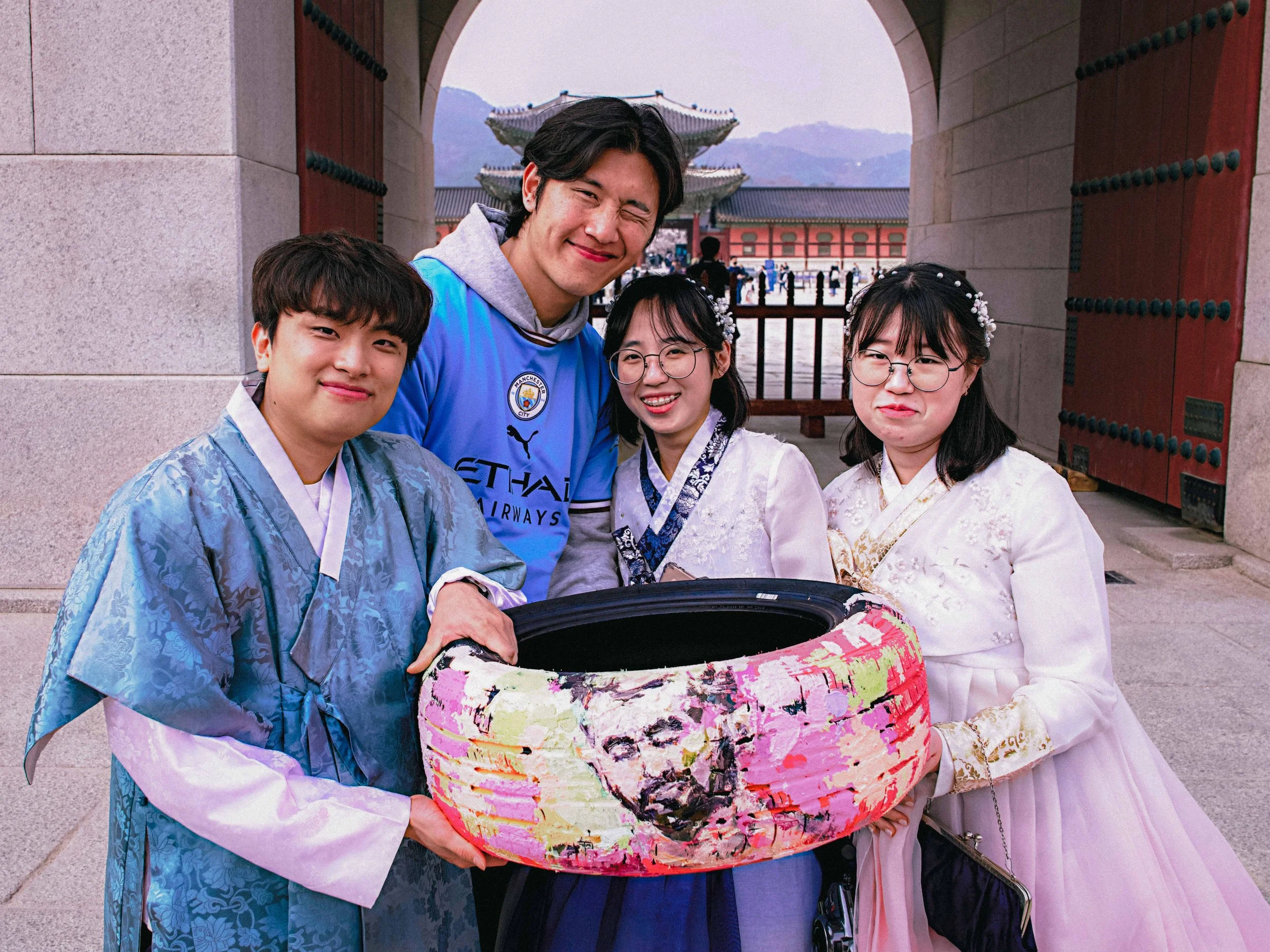
Nexen Tire’s long-standing partnership with Manchester City isn’t aimed at the Etihad crowd alone. Hyundai Motor’s global football sponsorships extend far beyond Korea, just like LG’s presence across European football.
These deals place Korean brands directly into international ecosystems where distributors, licensees, and commercial partners are already operating.
Football becomes a business language.
Culture Export, Corporate Edition
The global success of K-pop, Korean cinema, and television has reinforced this strategy. Korean companies aren’t shy about cultural export. They expect it to work.
Football slots right into this ambition. It carries scale, legitimacy, and repeat exposure in markets that matter commercially.
For the chaebols, football isn’t a passion project. It’s infrastructure.
Why Clubs Keep Coming Back
From a European club’s view, South Korea isn’t just a fan market. It’s a gateway to capital, partnerships, and long-term commercial relationships.
That’s why the activity continues even without widespread grassroots adoption. The incentives sit higher up the value chain.
In South Korea, football’s growth isn’t driven by a love of the game.
It’s driven by companies that see football as a global operating system.