
In China, Football’s Most Influential Player Is Still David Beckham
Written by Abby Z. & Alberto C.
January 16, 2026 | 5:00 pm GMT+8
In China, the most influential football player of all time isn’t a current star. It’s still David Beckham.
Even after retiring nearly 15 years, Beckham’s cultural impact here hasn’t faded. No active player — past or present — comes close to holding the same space in China’s public imagination, media attention, and everyday conversation.
That influence wasn’t built overnight, and it wasn’t built on football alone.
A Presence, Not a Moment
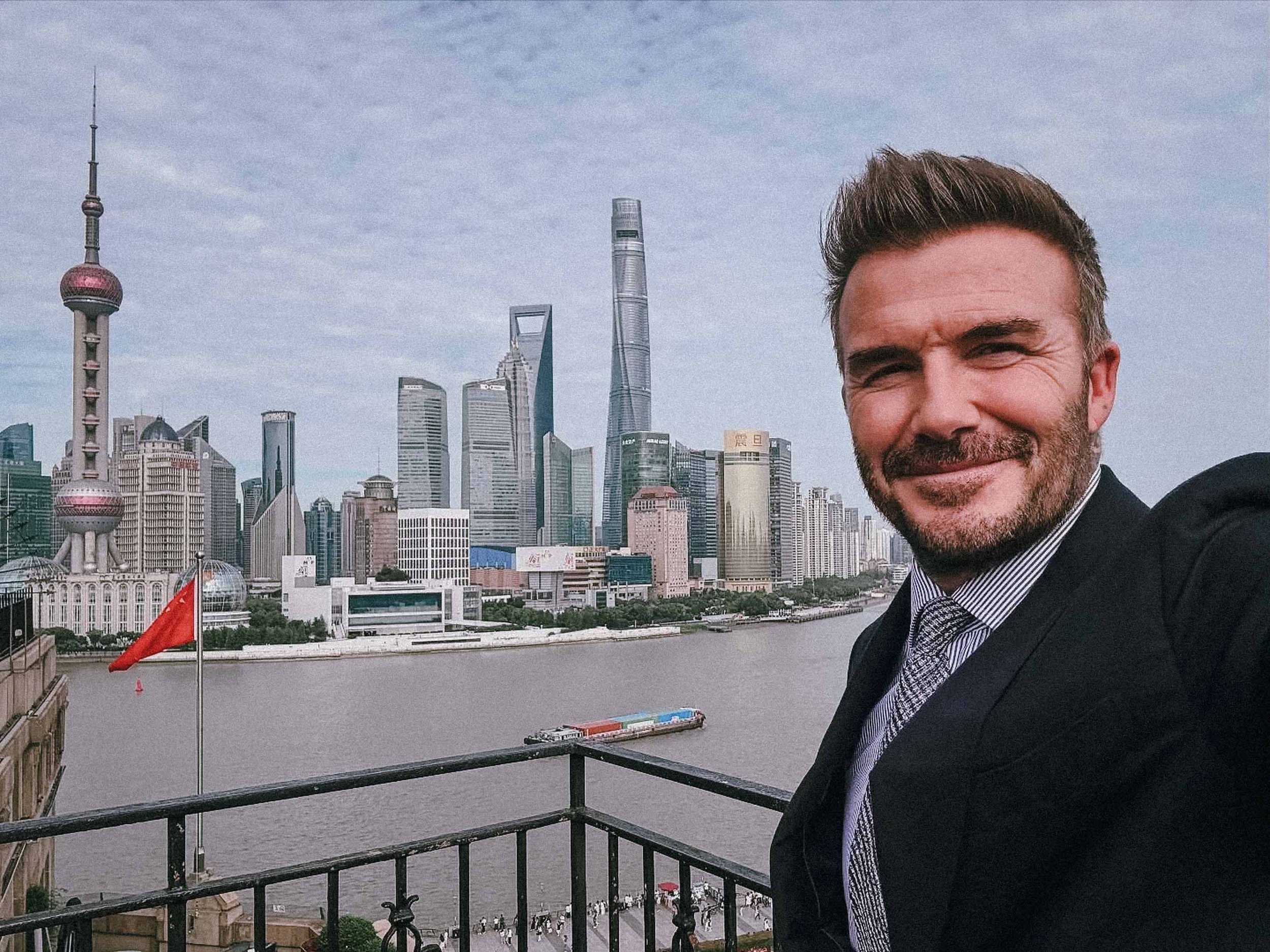
During his playing days and long after, Beckham visited China over a dozen times. Each public appearance drew tens of thousands of fans. What could have been standard brand events, exhibition matches, and promotional tours consistently turned into genuine cultural moments.
His 2013 tour alone reportedly generated hundreds of millions of impressions across Weibo and Tencent. To this day, Beckham remains one of the most searched retired athletes in China’s digital ecosystem.
Longevity like that is rare. In football, it’s almost unheard of.
Beyond Performance
Beckham’s influence in China was never just about goals, trophies, or highlight reels. It grew from a broader identity — one that stretched far beyond the pitch.
He moved comfortably between football, fashion, lifestyle, and global celebrity. As a UNICEF Goodwill Ambassador, a fixture in both luxury and streetwear culture, and a public figure associated with family, discipline, and aspiration, Beckham became legible to audiences who weren’t traditional football fans.
People didn’t just admire him. They feel like they understood him.
Why Replicating This Is Hard
Modern players face a completely different world. The volume of content is higher. Attention is fragmented. Fame comes faster, but thinner.
More importantly, very few players build identities that travel beyond football contexts. On-field performance drives visibility, but it doesn’t automatically translate into cultural presence — especially in a country of 1.4 billion people.
Beckham embedded himself into everyday cultural life. He appeared in spaces where football wasn’t the main entry point. That distinction still makes all the difference.
A Different Kind of Benchmark
For players and clubs looking at China today, Beckham represents a different benchmark — not of sporting excellence, but of cultural integration.
His influence wasn’t about being the best footballer. It was about becoming a reference point across media, style, and public life.
In China, football stars come and go.
Cultural figures stick around.
David Beckham figured that out a long time ago — and no one has truly taken his place.