
PSG’s Asian Stores Are Less About Retail — and More About Leverage
Written by Abby Z.
January 18, 2026 | 5:30 pm GMT+8
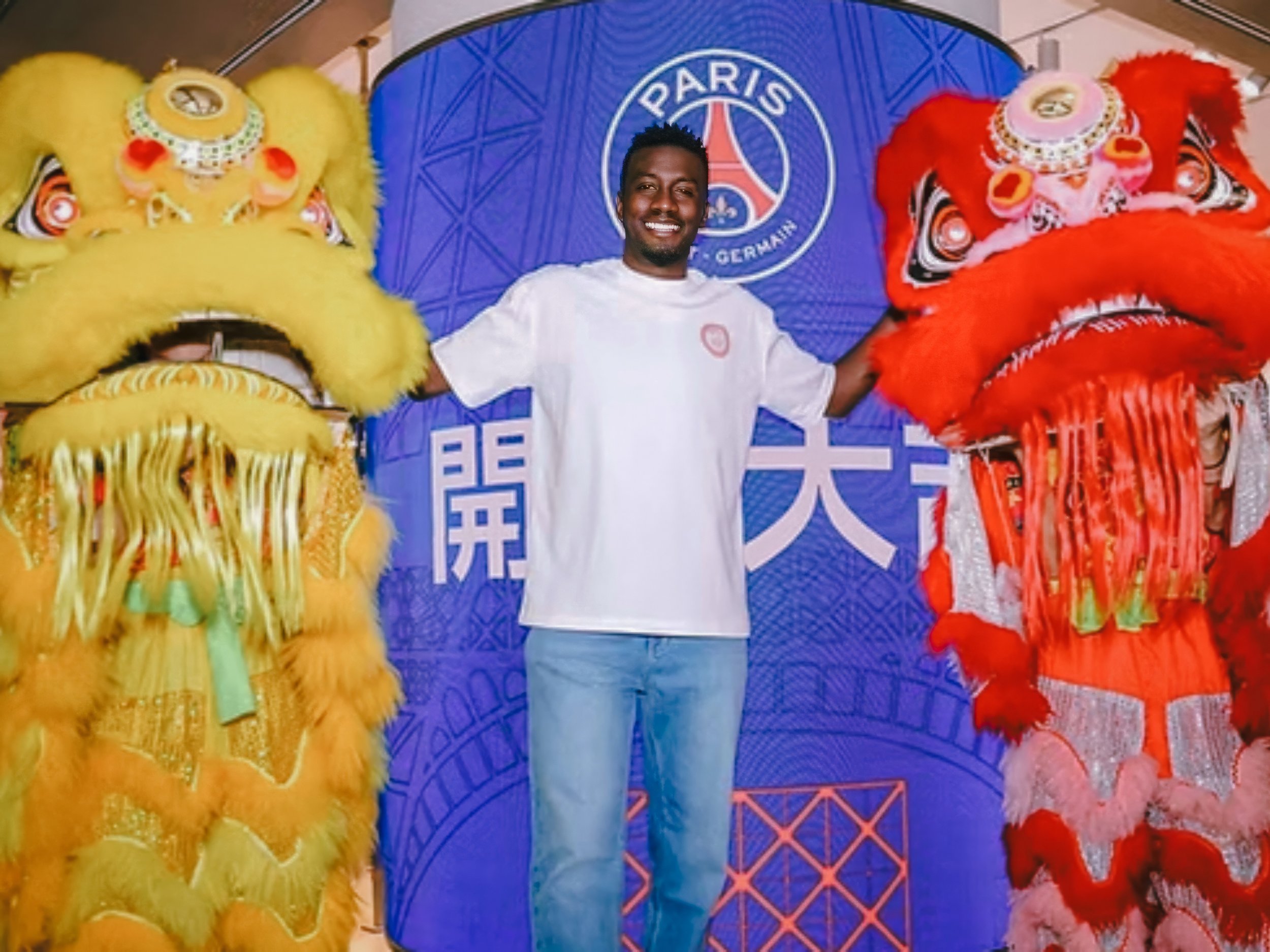
Paris Saint-Germain recently opened a new flagship store in Harbour City, Hong Kong, one of the most expensive shopping districts in the world. It follows a similar strategy already in place in Harajuku, Tokyo.
On the surface, this looks like a traditional retail push. They sell merchandise, reinforce brand visibility, and give local fans a physical place to connect. But the real value of these stores in Asia isn’t really about what’s on the shelves.
Retail as Proof, Not Product
In Asian markets, a flagship store is more than a sales channel. It’s a signal.
A permanent retail location shows commitment. It proves they’re here for the long run, not just popping in for a preseason tour or a marketing campaign. For a European club operating halfway around the world, that kind of signal carries weight.
These spaces act as proof points — evidence that a club exists beyond screens and seasonal friendlies.
Why Sponsors Care
For global partners, physical infrastructure changes the conversation.
A store in Hong Kong or Tokyo offers:
A fixed activation space
A local storytelling platform
Direct access to fans in premium locations
This makes sponsorship proposals more credible. Brands aren’t just buying abstract digital reach anymore. They’re buying access — to people, places, and moments they can touch on the ground.
In this context, retail becomes commercial infrastructure.
From Branding to Negotiation Power
Digital impressions are easy to promise and hard to stand out with. A physical presence isn’t.
When clubs can point to high-footfall retail locations in cultural hubs, they strengthen their negotiating position. They offer partners something tangible: visibility that can be visited, measured, and experienced firsthand.
For PSG, these stores function less like shops and more like strategic assets.
Why This Works in Asia
Asian markets place a high value on physical cues of legitimacy. Being present matters. Being seen matters. Being local matters.
A club with a permanent footprint signals seriousness — not just to fans, but to sponsors, media partners, and local stakeholders.
This is especially important in cities where global brands compete aggressively for attention and credibility.
The Bigger Play
PSG’s flagship retail strategy isn’t about chasing quick merchandise sales. It’s about building leverage.
Physical stores create optionality. They support partnerships, anchor campaigns, and enable local narratives that digital-only strategies struggle to sustain.
In Asia, the clubs winning commercial ground aren’t just posting better content or touring more often.
They’re putting down roots where it counts.