
Why European Football Clubs Are Missing Asia’s Collectibles Economy
Written by Alberto C.
February 2, 2026 | 4:00 pm GMT+8
In Asia, European football clubs are leaving real money on the table. Not because fans don’t care — it’s that clubs keep selling them the wrong things.
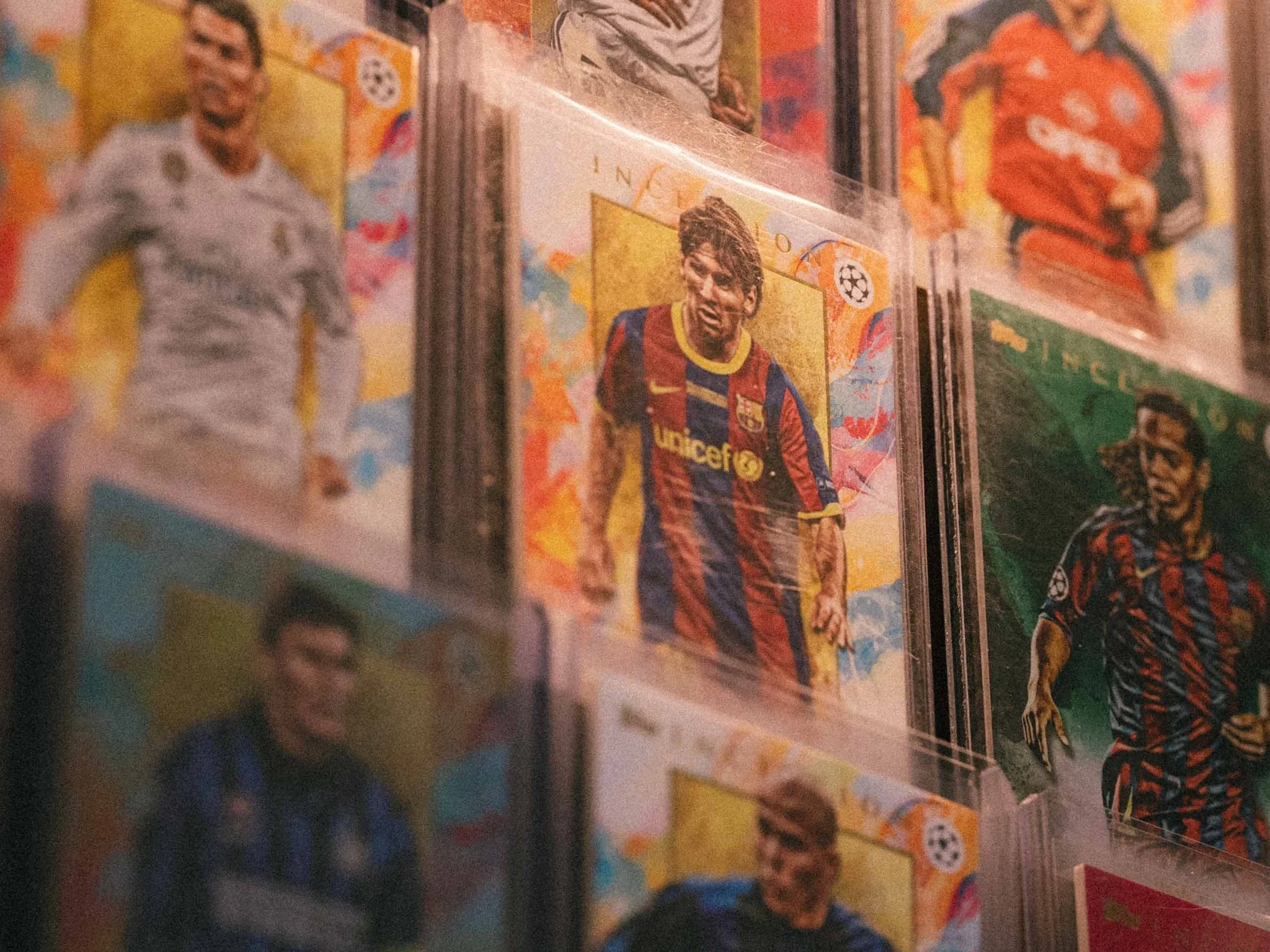
Most club shops still push the same old items: jerseys, scarves, and seasonal apparel drops. But look at where younger Asian fans are actually spending — on collectibles built around scarcity, trade, and character-driven identity.
Collecting Has Changed
In 2024, the global trading card game market hit over $7bn, with strong growth in places like Singapore, Hong Kong, and the Middle East. Pokémon, One Piece, and Yu-Gi-Oh! continue to dominate both sales and the lively resale market.
Secondary-market data from platforms like Carousell and Mercari tells a consistent story. Pokémon cards routinely outsell football cards across these regions.
This isn’t about childhood nostalgia. It’s about how the game is designed.
Scarcity Beats Apparel
Collectibles succeed because they’re designed to be limited, tradable, and repeatable. Blind boxes, numbered editions, and short production runs turn a simple purchase into an ongoing habit.
Brands like Pop Mart have built an entire world around this logic. Character IP, controlled scarcity, and frequent new drops keep consumers coming back long after the first buy.
Football merchandise, by contrast, is mostly static. A jersey is bought once. It’s rarely traded. It doesn’t change.
When IP Travels Better Than Clubs
The most successful collectibles separate identity from big institutions and attach it to characters, moments, or a specific aesthetics.
That’s why collaborations explode. Think of McDonald’s limited-edition Pokémon card campaigns in Asia - they sold out instantly and shot up in value on the resale market. The draw wasn’t just the brand alone — it was the combination of familiarity, scarcity, and collectability.
Football clubs hardly ever play this way. When they try, it’s often half-hearted, short-lived, or overly protective of the brand.
Younger Fans Collect Differently
For younger, player-led audiences, fandom is increasingly expressed through ownership rather than apparel. Collecting is social. Trading is part of the culture. Rarity is a status symbol.
This fits perfectly with player-centric fandom trends across Asia, where identity moves with individuals, and IP travels faster than institutions.
Clubs that only push shirts and scarves are completely missing this crowd.
A Missed Revenue Layer
This isn’t about replacing traditional merchandise. It’s about adding something new beside it.
But by ignoring collectibles, clubs are ignoring a whole dimension of fandom that thrives on participation, repetition, and exchange. It is also ceding ground to non-football IP that already understands how Asian consumers collect, trade, and show what they’re part of.
European clubs aren’t short on fans in Asia. They’re short on products that match how those fans express value.
The demand is already there.
They’re just selling the wrong stuff.