
In China, Gen Alpha Is Redefining What It Means to Be a Football Fan
Written by Vivien Lee
February 3, 2026 | 2:30 pm GMT+8
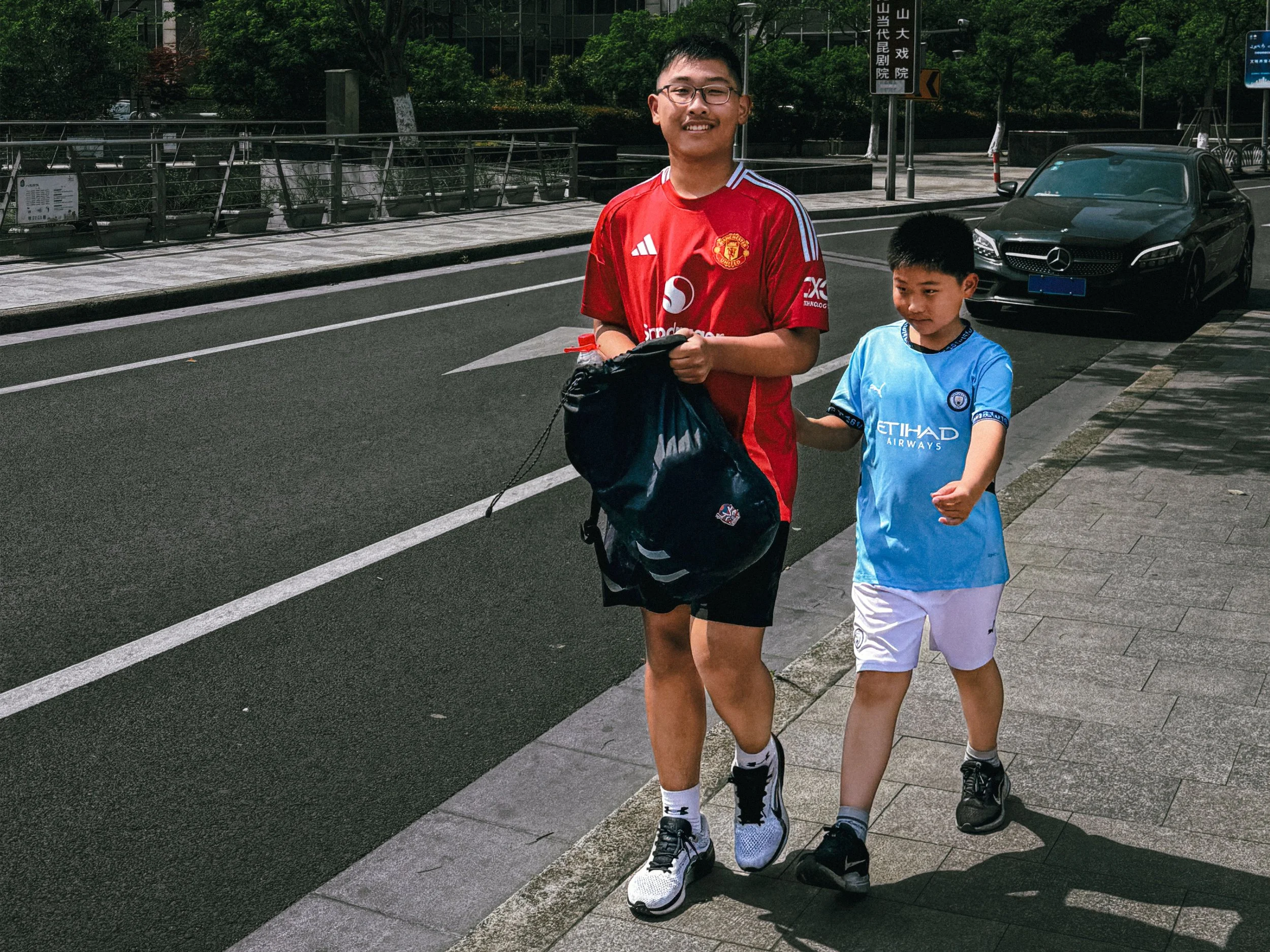
In China, a growing number of young football fans don’t “support clubs” the old way anymore. They follow players.
For this generation, loyalty isn’t tied to a badge, a stadium, or a century of history. It follows people. When players change clubs, their fans often go with them.
This isn’t some niche trend. It’s quickly becoming the norm.
Players Outperform Clubs Online
Look at the data on Weibo and Douyin, and the story is clear. Hashtags about players consistently do better than ones about clubs, especially during transfers, injuries, and personal milestones.
Moments tied to individuals travel faster than institutional news. A player’s goal, a new haircut, their reaction after a whistle — these things cut through the noise more than official club updates ever do.
According to insights from Tencent Sports and QuestMobile, over 60% of Chinese Gen Z and Gen Alpha football users say they follow players across clubs. Fewer than 30% claim a single club as their own.
That gap tells you everything.
A Platform-Native Form of Fandom
This shift isn’t accidental. It fits China’s digital landscape perfectly.
Algorithms love faces, personalities, and stories. Clubs, by contrast, are abstract. They don’t react. They don’t age. They don’t post selfies. Players do.
On Chinese platforms, players are like portable media objects. They carry their own narrative, emotion, and spotlight. Clubs become the temporary backdrop, not the main character.
Loyalty Without Geography
For younger Chinese fans, football loyalty isn’t anchored to a place. There’s no local stadium experience to inherit, no family club allegiance to uphold.
Instead, fandom is built through screens. It’s emotional, personal, and media-led.
Supporting a player feels more personal than supporting some distant institution thousands of kilometres away. The relationship is one-to-one, even if the connection is entirely digital.
What Clubs Often Misread
This doesn’t mean Chinese Gen Alpha is turning its back on football tradition. It just means tradition isn’t where they start.
History matters less than relevance. Legacy matters less than visibility. Clubs that lean only on heritage struggle to keep up with players who live in the feeds, the stories, and the short videos.
For clubs entering or operating in China, this changes the game. Building loyalty means understanding how identity forms first — and history comes later, if it comes at all.
Football, Rewritten
So, football fandom isn’t disappearing. It’s being rewritten.
Support is shifting from institutions to individuals. From lifelong allegiance to ongoing attention. From inherited loyalty to chosen identity.
For Chinese Gen Alpha, football still matters.
It just doesn’t look anything like it used to.